
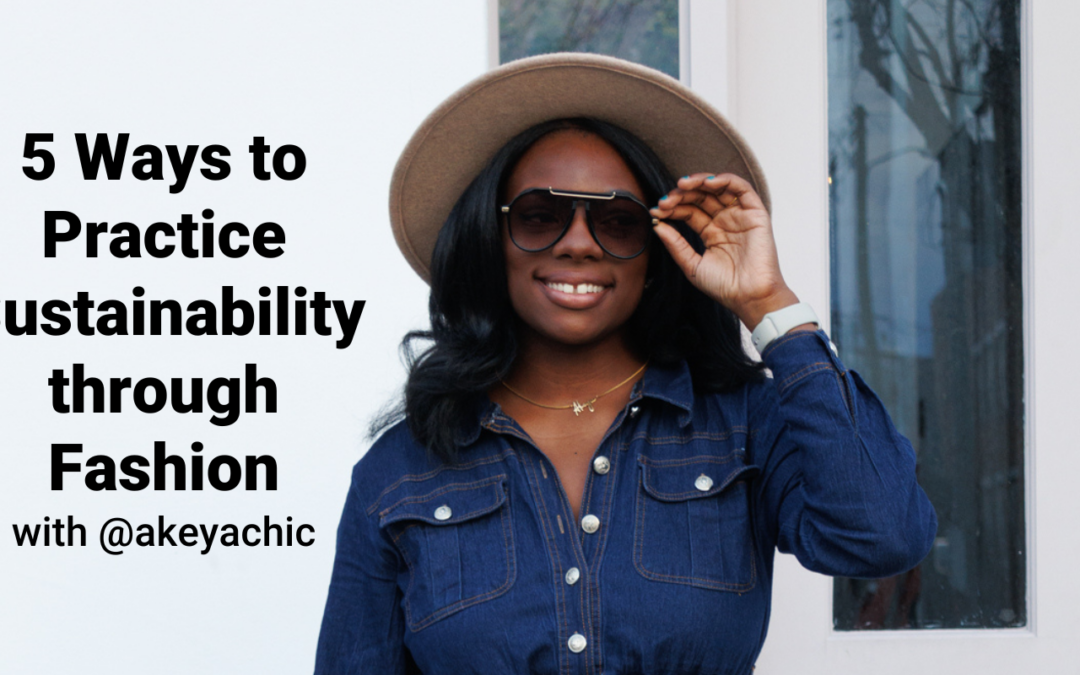
As we celebrate Earth Month this April, let’s honor our planet by exploring a few ways to practice sustainability in fashion. According to the World Bank, the fashion industry produces more than 92 million tonnes of textile waste each year and is responsible for 10% of the world’s annual carbon emissions and 20% of global industrial water pollution. While fast fashion trends have become increasingly popular in recent years, the rise in consumer demand for low-quality products is not sustainable in the long term.
5 Ways to Practice Sustainability through Fashion
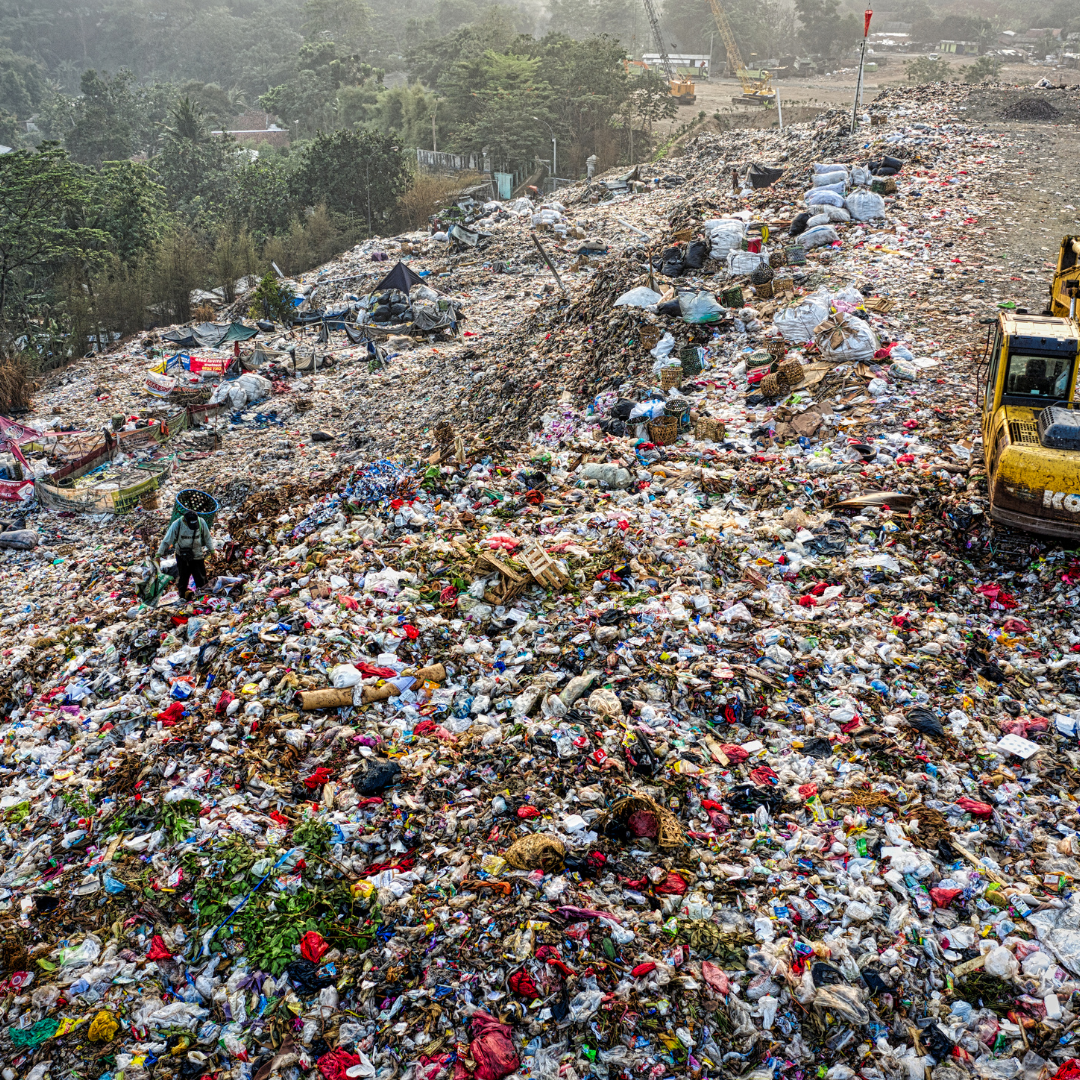
1. Donate Unwanted Clothes
An estimated 11.3 million tons of textile waste, or 85% of all U.S. textiles, ends up in landfills every year (according to earth.org). That’s equivalent to approximately 81.5 pounds per person per year. Instead of throwing away unwanted clothes, consider donating them to nonprofit organizations like Goodwill. You can help preserve the environment while supporting local causes you care about, like removing barriers to employment in our own community.
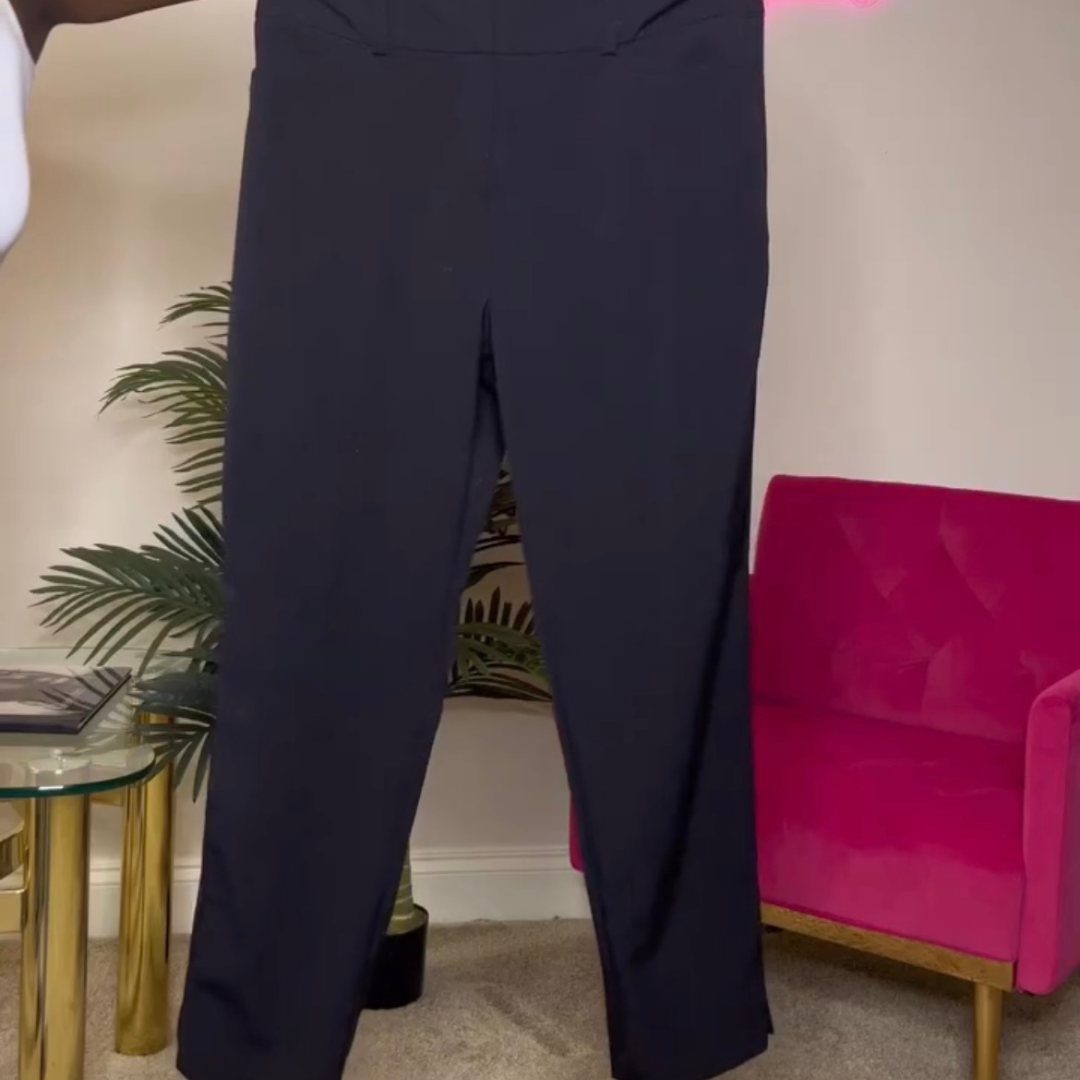

2. Upcycle Your Wardrobe
Upcycling takes unwanted clothing or material and creates something new or valuable by repurposing instead of donating or recycling. A classic way to upcycle your clothes during the warmer months is to take an old pair of jeans and turn them into summer shorts. I used a favorite easy upcycling hack here to elevate these pants with feathers. If you need more ideas, check out Triad Goodwill’s Stitched Up DIY blog, where you can find unique and innovative ways to upcycle your clothes.

3. Thrift or Shop Secondhand
How many times do you wear a particular garment these days before you’re ready for something new?
When we reduce consumerism by choosing to buy secondhand clothes, we extend the life of our garments, but we also reduce the pollution caused by the manufacturing of new clothing.

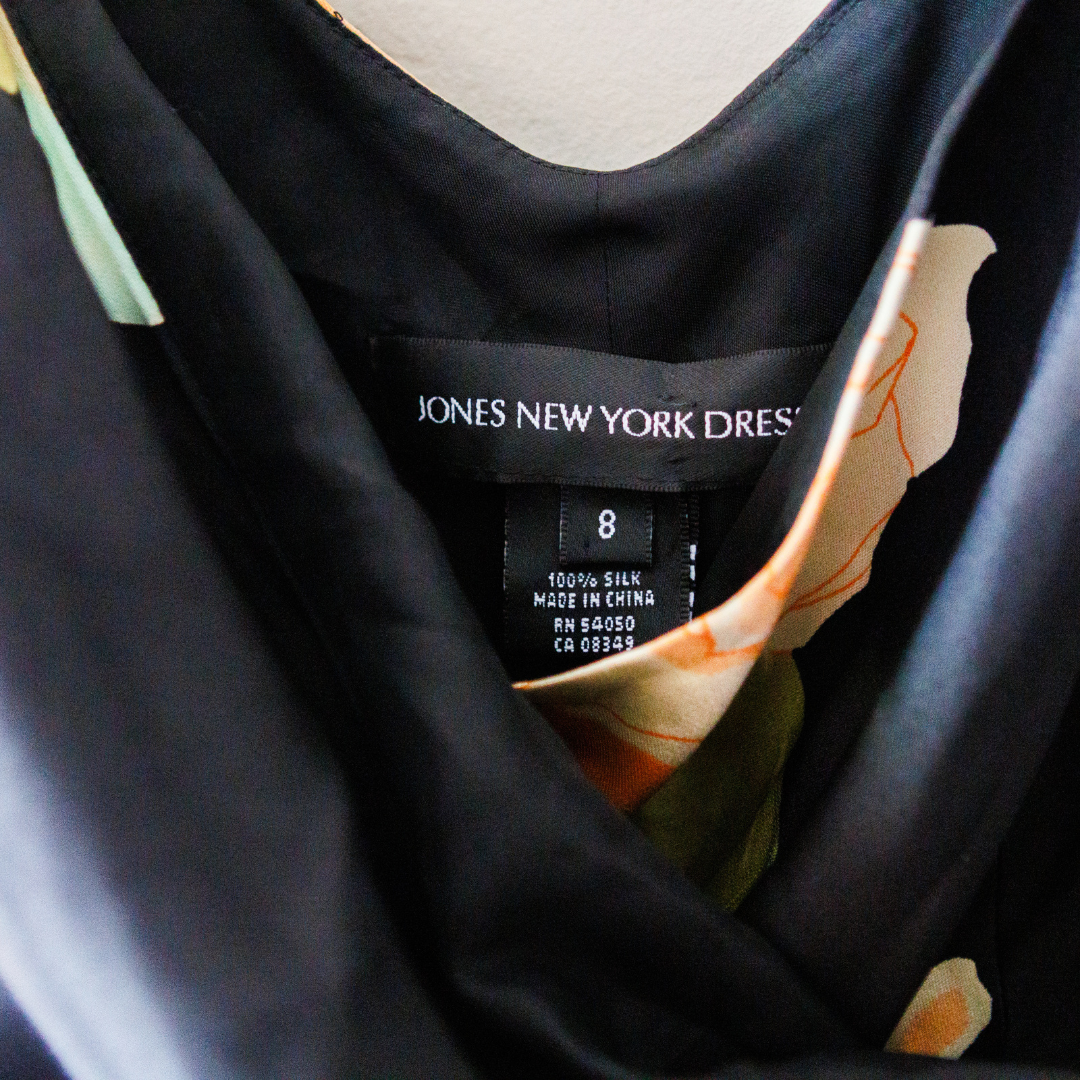
4. Invest in Quality over Quantity
Investing in high-quality and durable materials for your clothes can significantly extend their lifespan, reducing the need to purchase new pieces frequently. Good quality clothing is often made from natural materials such as cotton, silk, wool, and linen. You can also check the types of stitching, seams, and lining of a garment to determine its quality and how long it may last. These small details can build up to a big difference in the longevity of your clothing.
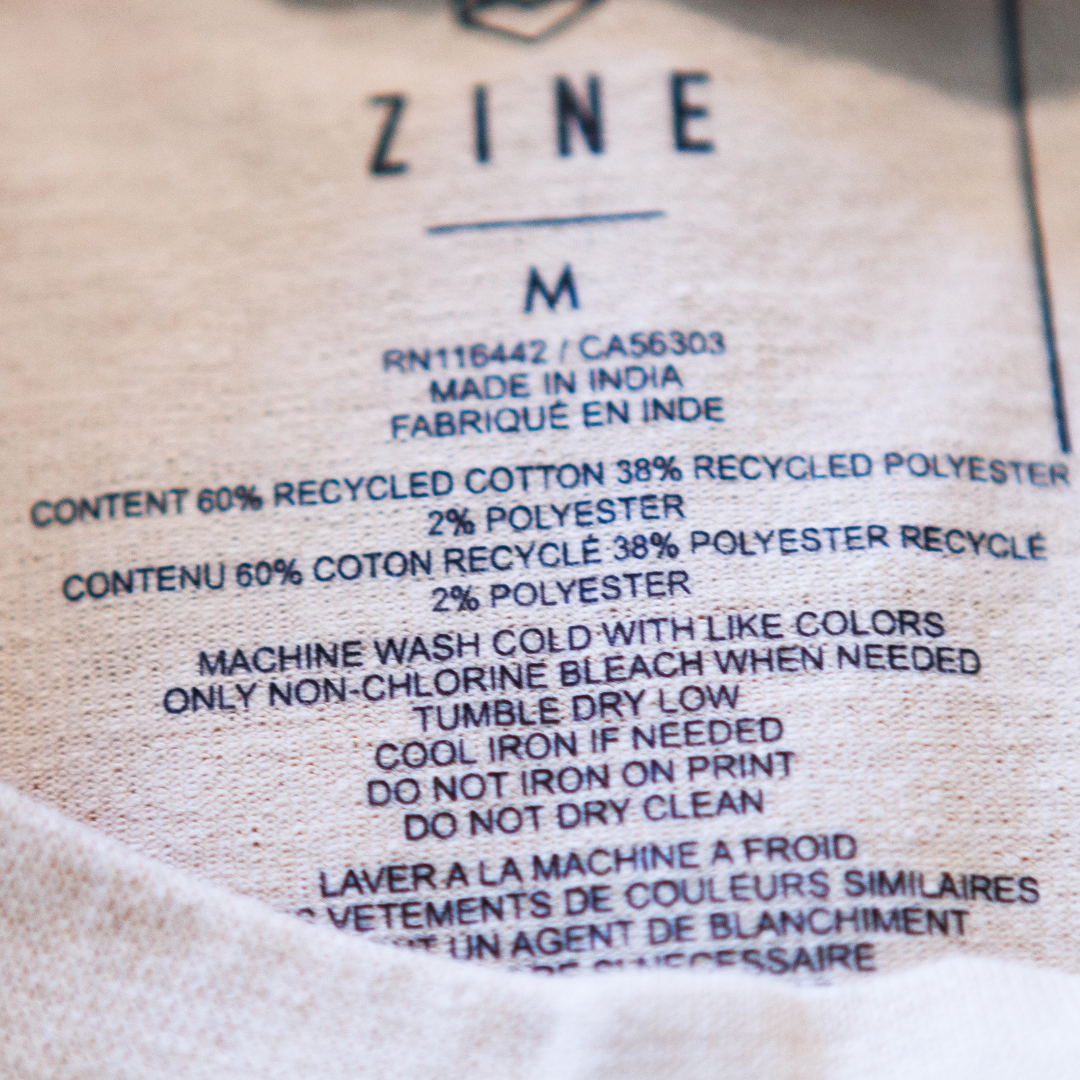
5. Choose Eco-friendly Fabrics
Clothing made with eco-friendly fabrics such as organic cotton, recycled cotton, organic linen, recycled polyester, and tencel are all excellent choices when shopping sustainably. Although cotton is a popular fabric, processing it requires A LOT of water, making it environmentally harmful. Opting for clothes made with recycled or organic materials means that no additional resources are used to make them. Maintenance for these materials is also usually minimal, and they are typically biodegradable.
Purchasing secondhand items, upcycling, and investing in quality eco-friendly products are all small ways we can significantly reduce our carbon footprint and create a more sustainable future together. I hope this blog inspires you to practice one more way to be sustainable in fashion!
Follow Akeya to see her ThriftAnista style & Akeyachic Exclusives
Model, content creator, and our very own Thriftanista—
Akeya is a North Carolina based fashion blogger and stylist. She is passionate about sharing chic and colorful outfits without breaking the bank.
Shop her curated rack at each of our Thriftanista Tour Stops!
@akeyachic on Instagram
@akeyachic on Twitter
@akeyachic on Pinterest
@akeyachic on YouTube
@akeyachic on TikTok